Tuesday, February 14, 2012

Dia De Los Muertos and Honey Bees

Cross-Border Pollination of a Cultural Tradition


September 15, 2011

Dia De Los Muertos 617x347

Photo: AZPM

Tohono Chul Park's exhibit Día de los Muertos show cases a versatile array of art works created by regional artists paying homage to this observance. Sculpture by Hank Tusinski

A new exhibit at Tohono Chul Park pays homage to the Mexican holiday Dia de los Muertos. It brings together an eclectic collection of regional artists and illustrates the deep influence that this cultural tradition has had on artists north of the US-Mexico border.

The exhibit, although inspired by this uniquely Mexican tradition, illustrates the very personal ways that individuals deal with death, says Ben Johnson, Curator of Exhibitions at Tohono Chul.

“Dia de los Muertos is a holiday of remembrance, but it’s not one that is full of sorrow,” says Johnson. “Dia de los Muertos is very much about family, very much about celebrating life, and offering thanks to those we have loved and missed, and inviting them back into this world to partake in the delights of the living once again.”

Jennie Eschedor has several of her works on display at the exhibit. She says she has been deeply influenced as an artist by the traditions associated with Dia de los Muertos, and she notes that she’s become more comfortable exploring themes of life and death as a result.

“Growing up in Ohio, I was definitely raised to fear death,” Eschedor says.

Eschedor’s work is infused with the iconic images of the Mexican holiday, and incorporates relationships between the seasons, life cycles in nature, and the stages of a human life. She admits she’s felt conflicted about appropriating the cultural traditions of another community.

“Especially since it’s tied into a religion,” Eschedor says. “It makes me hesitant to go in and skim off the top – take the parts I like and leave the rest. The truth of it is that I think it’s just a different way of viewing death, and integrating it more into life. Making it more of celebration is a healthier way to deal with death than to fear it.”

Celebration is a common theme for many of the artists represented in the exhibit, and Linda McKittrick’s work celebrates the life and death of the honeybee. She points out bees are an essential pollinator, but colony collapse disorder has been decimating populations around the world.

“Many beekeepers lost huge numbers, up to 80 percent,” McKittrick says. “I felt kind of a kinship, since I love bees so much.”

McKittric is an artist with a keen interest in bees, but she’s also an urban beekeeper interested in developing sustainable food systems, and working to ensure the health of our ecosystems. She says colony collapse disorder only occurs with bees used in monoculture, and industrialized agriculture – not with bees exposed to a diversified food-source.

“I think some of the monoculture also needs to die,” McKittric says. “There are multiple layers to [my work.]”

MkKittrick’s work takes the themes of Dia de los Muertos and applies them to the modern life and death narrative of the European honeybee. It’s a very personal view of death, and like much of the other work on display at this exhibit; it is inspired by cultural traditions from south of the border.

The Día de los Muertos exhibit runs from Sept. 1 through Nov. 6, with an opening reception during Park After Dark, Oct. 21, from 5 to 8 p.m.


YouTube, My Girls: the buzz on urban hives


Vanda Gerhart, of Visualbackstories.com, on site, shooting.


Here is the little Bee Movie shot by Vanda Gerhart: My Girls: the buzz on urban hives up on YouTube. Here's the link: http://www.youtube.com/watch?v=tFHFRiqTdjA.


Sunday, May 1, 2011

Friday, April 29, 2011

Life as Therapy

A meeting honey makers
Five day old Mottled Java chicks - heirloom breed
A honey bee gathers poppy pollen


Tuesday, April 26, 2011

Drought and Freeze and Ranching Spring 2011

We culled deeply this year, to take some stress off the ranch. The first priority for us as land stewards is to our browse/range. When that is healthy, we can support healthy animals.

Between the freeze this winter (coldest since 1950's) and the lack of rainfall, the land is stressed; we have lightened our animal "load"significantly.

Working in this region has reminded me of the balances Nature offers. Both the more masculine rains of summer and the lighter feminine rains of winter are vitally and equally important. Have you noticed that the male rains of summer tending to be fast, aggressive, and offer a lot of water quickly? That female rains of winter tend to be gentler, longer, and allow the water to really soak into the earth.

We missed the feminine rains of winter this year. Every plant, insect, animal (human or otherwise) in the Sonoran Desert dearly hopes for summer rains. It is not hard to see the dry land in the photos below.

Deciding which animals to keep and which to sell.

Moving the heard on dry terrain.

East Meets West (foraged) Dumplings -- with Heirloom Favas from the garden

Heirloon Fava's - survived the freeze!
They are cooked al dente and served with a bit
of organic (unsalted) butter, salt and pepper.

To make the dumpling filling:
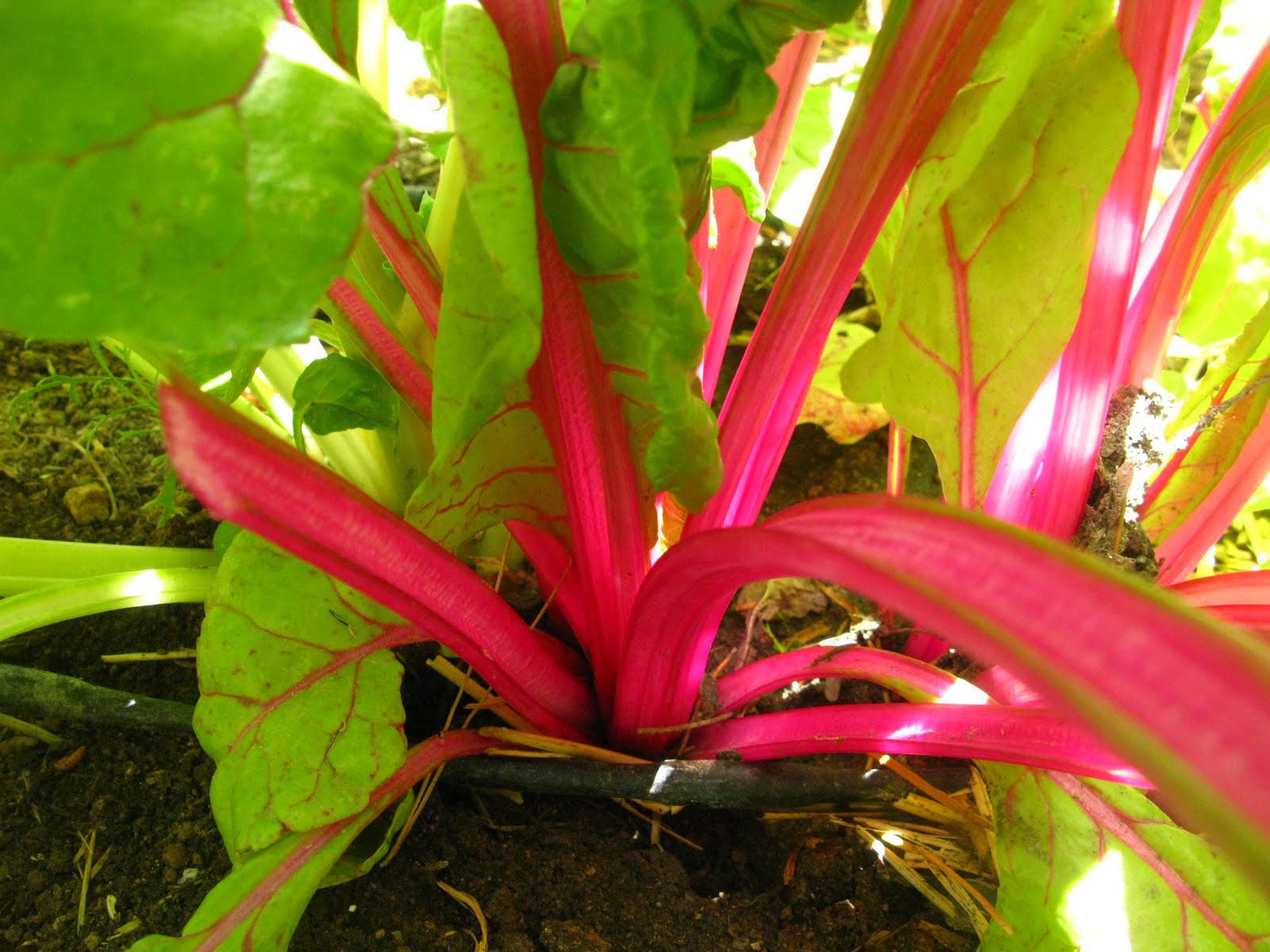
Chard is perfect to add to dumplings; chop fine.
Add some foraged cholla buds, de-spined & cooked,
A bit of blue cheese adds richness and flavor.
Place a TBS of filling into a home made spelt dumpling"wrapper", form it into a satisfying shape - and cook!

NOTE: Dipping Sauce has chiltpin in it for added flavor

Saturday, November 6, 2010

Myths from the Myth Making Challenge


Here are the mythmakers and their myths in the order in which they are received:

*Sun Rises on Land. Clean wooden bowl--breakfast womb. She pours almond milk. 2- Stone floor warming touch A stretch, more stirring, now food. Sun rises higher. 3- Honor Feminine. On the Venus-named Fridays By drinking a mocha. 4- New Creation Myth: Chiltepin of the Morning In Friday Mocha! 5- Where gardens exist Humans thrive and co-exist The sun=chiltepin.
By CreativiTea on Chiltepin Challenge: Creation Myth on 10/28/10

** One evening, long before there was Time, first woman sat with needle and thread, stringing white chile flowers into a necklace. She hummed to herself as, one by one, she pushed the needle through a flower, then carefully moved it onto the thread. The full moon above her, shaped like an ovary, cast it's powerful glow onto the tiny white flowers and made her work like play. Her joy being great, she sang the world right into existence. She was surprised at the ease of her creation.

Beauty had come from beauty.

In her surprise, she accidentally pricked herself with the needle, and red blood flowed onto the white flowers, transforming them into bright red chile pods; they now mirrored the shape of ovarian-moon's, only smaller.

As the sun arose, and First Birds began to sing, (as they still do today, throating their own creation-love songs) and took note of the bright red chilies, strung together like red beads, on the necklace. Curious, she swooped down, and took the bright red chilies into her beak as she flew away. Eating and flying, First Bird began spreading chiltepin all over the Land, where they feed the birds of creation even today.
H M L 11/10

***A time long ago, the sun shone bright. It shined on the washes, running with water, on the soil covering the sacred land on which we stand today. The sun was the light, the love, the food for the plants that grew so tall, drinking in the fiery nourishment through their verdant leaves. And the sun loved the plants, and felt a part of them. And on this very same land, from this very same earth, from the mix of the water and soil and air and sun, animals too began to roam. Some had four legs, some had two, some had wings, some had fins. They drank the water, bringing it in to themselves. They breathed the air, taking it in. They ate of the earth, and it became a part of them. But the sun, the sun that warmed the land in which they lived, the sun that shined so much love down upon them every day, that very same sun, felt so far away. The plants had learned how to eat the sun, but the animals had not. And the sun wanted to be closer, and the sun was very clever. It would come to the Earth through one of it’s beloved plants, and could then be eaten by the birds and the people and the animals so dear. And it shone bright upon one of it's plants, the chiltepin, which began to fruit hundreds of little suns for the animals to eat, and became the fire of life and the mother of all chiles. It was eaten with interest and delight, picked and cooked and preserved and replanted, until the sun was no longer apart from all the creatures in this land, but a part of them. And the chiltepin continues to hold the sun within it to this day, and no longer needs the sun’s bright light to shine upon it all the time, for it is already inside of it, just like you and me. T.G. 11/16/10

**** Algo no estaba bien y todo mundo lo sabia. La madre pensaba que hacia demasiado frío para ser feliz. El padre pensaba que todo estaba demasiado calmado y aburrido. El hermano pensaba que no había ni interés ni propósito en la vida del pueblo. La hermana fue la que mas se acerco a la verdad diciendo, “!La vida no tiene sabor, es siempre lo mismo, ni sal ni dulce, ni chispa!” Siempre había sido así pero solo hoy, el séptimo día de la semana les comenzó a molestar.

Fueron al río a pedirle ayuda al agua, pero no les contesto. Fueron a la montaña a pedirle ayuda a la tierra pero tampoco contesto. Alzaron los ojos al cielo, y le pidieron ayuda en silencio. Con una calida sonrisa el Tata Sol les contesto con un regalo rojo y concentrado … les regalo una planta de chiltepin la cual sembraron en la tierra rica y la regaron con el agua dulce. Así fue, que de noche a la mañana el mundo encontró calor, interés, propósito y un sabor nunca imaginado. ¡Gracias, Tata Sol!

Abrazos, Gloria